

No products in the cart.
News
How To Cook Jasmine Rice Perfectly
29
Jul
Jul
Table of Contents
Jasmine rice is loved around the world for its delicate floral aroma, soft texture, and slightly sweet flavor. If you’ve ever wondered how to cook Jasmine rice perfectly, you’re in the right place. By following the methods below, you’ll enjoy fragrant, restaurant-quality Jasmine rice every single time.
What is Jasmine rice?
Jasmine rice is a long-grain rice variety originally cultivated in Thailand and widely grown in Vietnam. It is especially popular throughout Southeast Asia due to its naturally fragrant aroma and soft, slightly sticky texture after cooking.
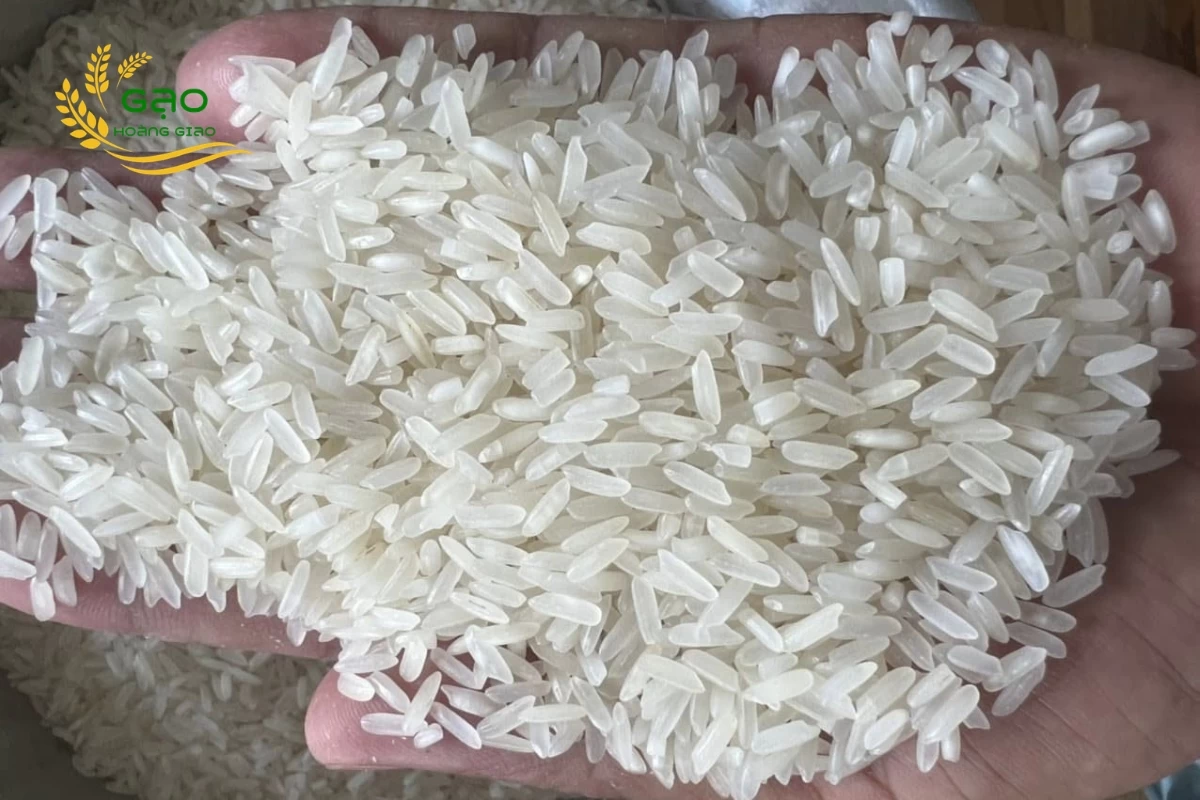
Unlike ordinary white rice, Jasmine rice contains natural aromatic compounds that create its signature floral scent. When cooked properly, each grain remains tender while lightly clinging together, making it the perfect companion for a wide variety of dishes.
Should you rinse Jasmine rice?
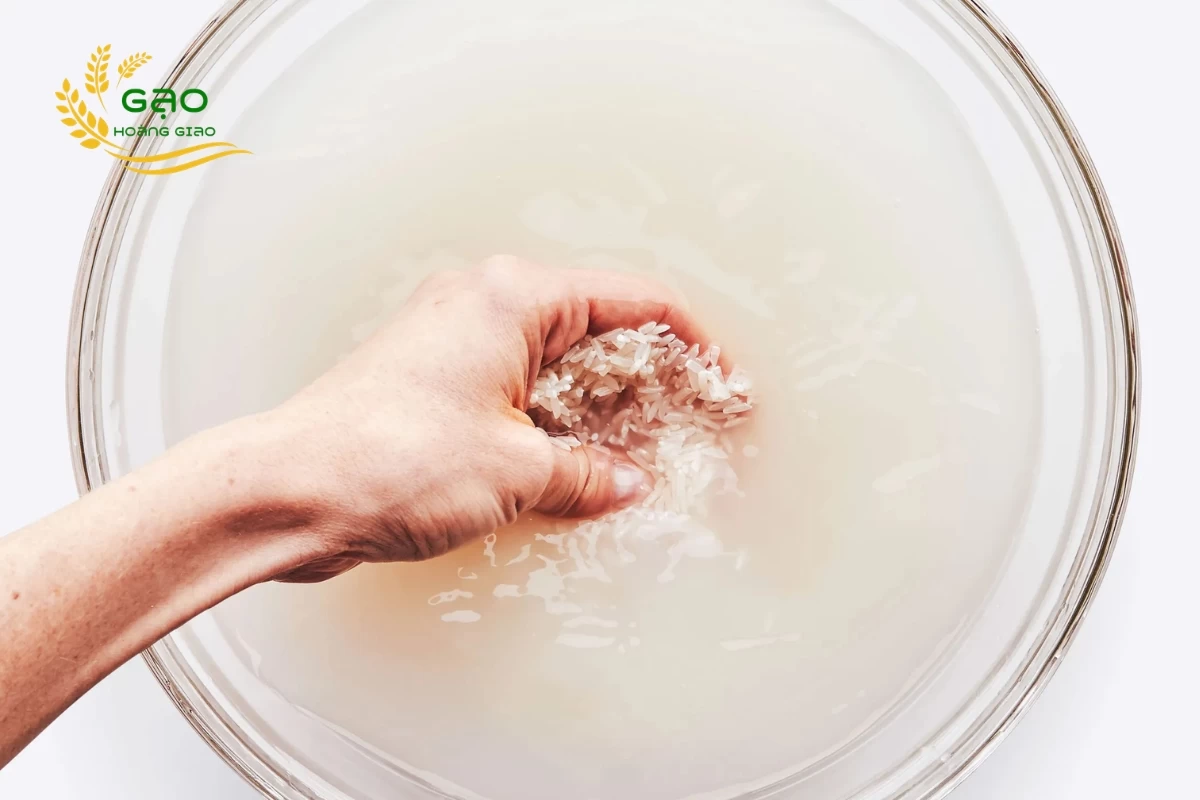
One of the most common questions people ask is whether they should rinse Jasmine rice before cooking. The answer is yes in most cases. Rinsing removes excess surface starch that naturally coats the rice grains. Without rinsing, this starch can cause the rice to become overly sticky or gummy.
Benefits of rinsing Jasmine rice
Rinsing your rice before cooking offers several advantages:
- Removes excess starch.
- Produces fluffier rice.
- Prevents clumping.
- Washes away dust or small particles.
- Creates a cleaner, fresher flavor.
How to rinse Jasmine rice
- Place the rice in a bowl.
- Cover it with cold water.
- Gently swirl the rice with your hand.
- Pour out the cloudy water.
- Repeat 2 – 3 times until the water becomes mostly clear.
Note: Avoid rinsing too aggressively, as excessive washing may remove some of the rice’s natural aroma.
When you may skip rinsing
Some packaged or enriched Jasmine rice products are designed to retain added nutrients. In these cases, always check the package instructions before rinsing.
How to cook Jasmine rice perfectly on the stovetop
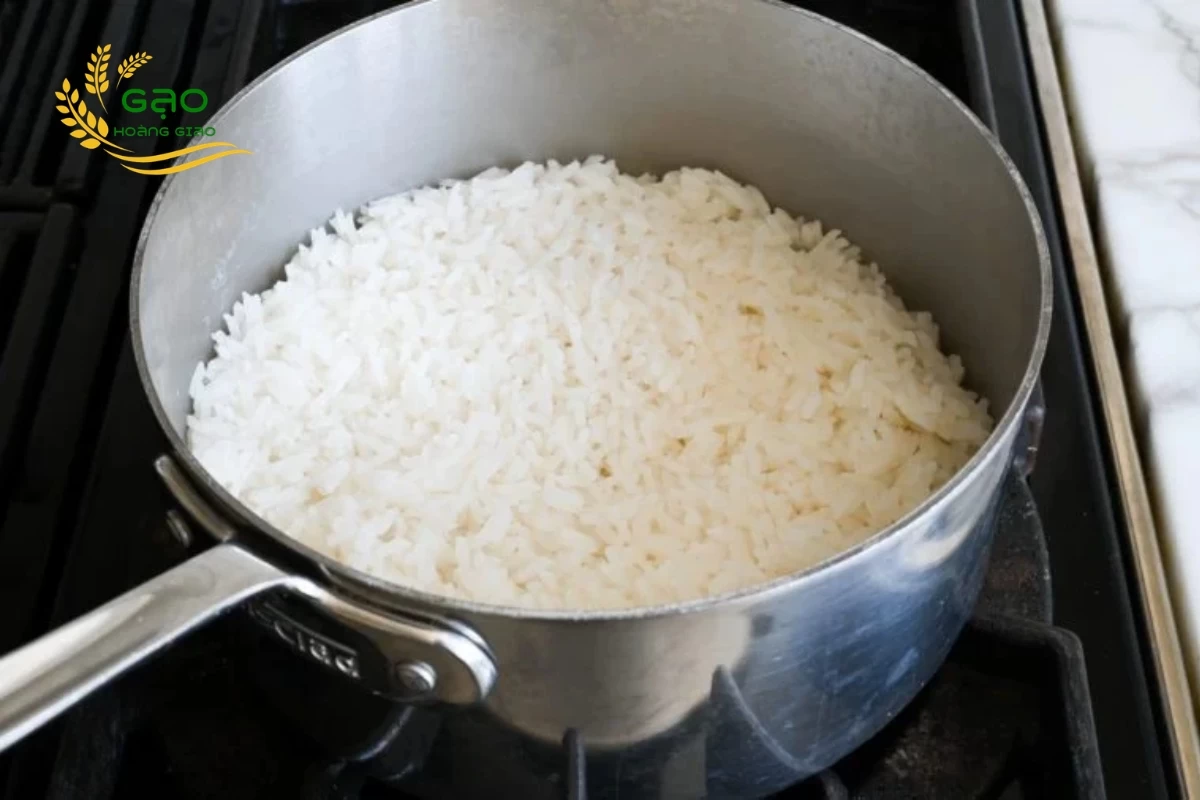
Cooking Jasmine rice on the stovetop is one of the easiest and most reliable methods for achieving fluffy, fragrant rice. The key is using the correct rice-to-water ratio and resisting the urge to lift the lid while the rice is cooking. With just a few simple steps, you can enjoy perfectly cooked Jasmine rice every time.
Ingredients:
- 1 cup Jasmine rice
- 1¼ cups water
- ¼ teaspoon salt (optional)
Step 1: Measure the rice and water
Start by measuring your ingredients accurately. For most varieties of Jasmine rice, the ideal ratio is 1 cup of rice to 1¼ cups of water. Using too much water can make the rice mushy, while too little may leave it undercooked.
Step 2: Rinse the rice
Place the rice in a bowl or fine-mesh strainer and rinse it under cold running water. Gently swirl the grains with your hand and drain the cloudy water. Repeat this process two or three times until the water is mostly clear.
Rinsing removes excess surface starch, which helps prevent the rice from becoming overly sticky while preserving its light, fluffy texture.
Step 3: Bring the water to a boil
Transfer the rinsed rice and measured water to a medium saucepan with a tight-fitting lid. If desired, add a pinch of salt to enhance the flavor.
Place the saucepan over medium-high heat and bring the water to a gentle boil.
Step 4: Simmer on low heat
As soon as the water reaches a boil, reduce the heat to low and immediately cover the pot with the lid. Allow the rice to simmer for 12 to 15 minutes. During this time, avoid lifting the lid, as releasing the steam can interrupt the cooking process and affect the final texture.
Step 5: Let the rice rest
Once the cooking time is complete, remove the saucepan from the heat but leave the lid on. Let the rice rest for 10 minutes. This resting period allows the remaining steam to finish cooking the grains evenly and helps them absorb any remaining moisture.
Step 6: Fluff and Serve
Remove the lid and gently fluff the rice with a fork. Fluffing separates the grains without crushing them, resulting in light, tender, and aromatic Jasmine rice.
>> See more: Jasmine Rice Nutrition Facts: Everything You Need To Know
How to cook Jasmine rice in a rice cooker
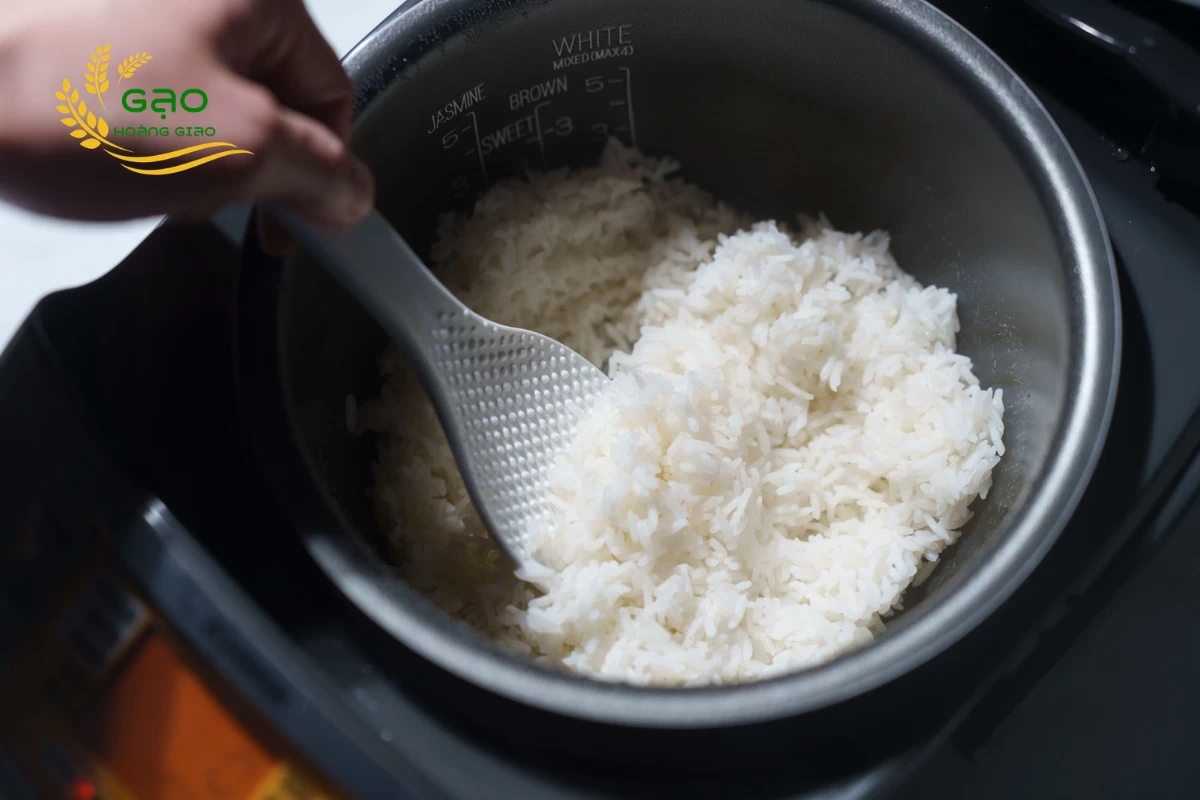
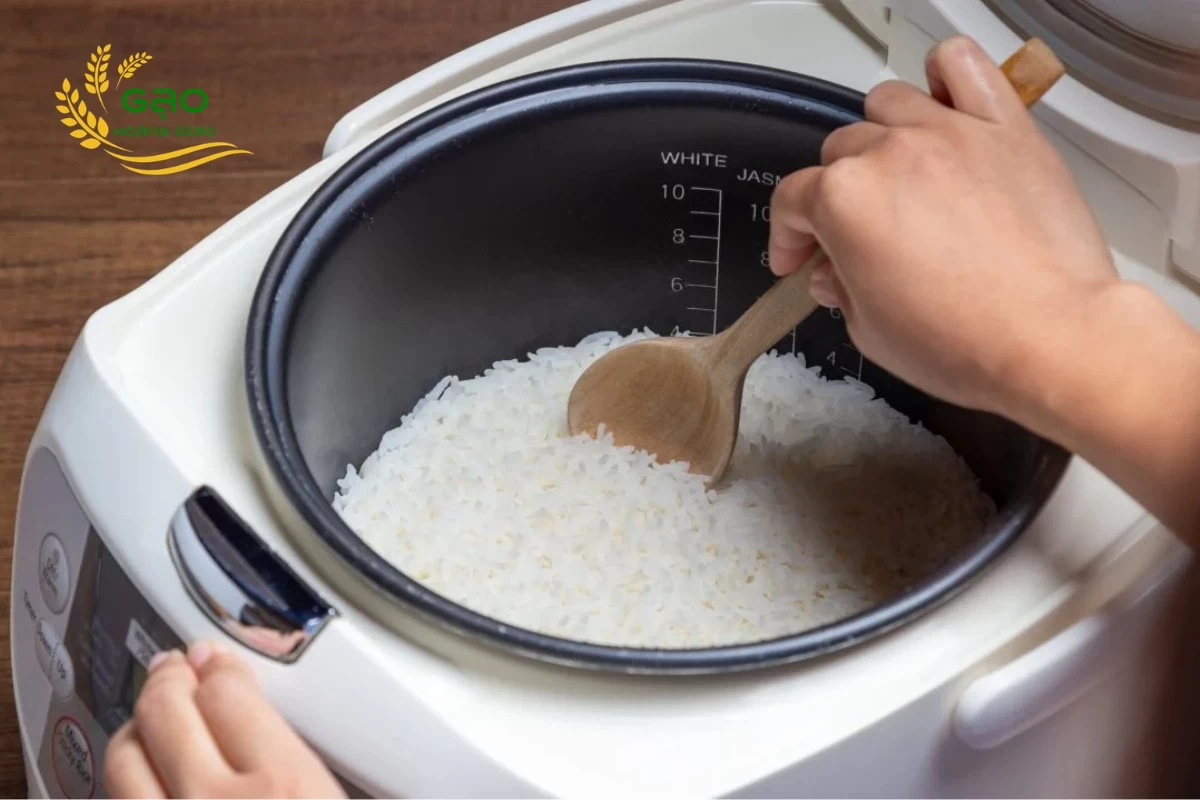
Using a rice cooker is one of the simplest and most convenient ways to cook fragrant Jasmine rice. Because it automatically controls the cooking time and temperature, making it ideal for beginners and busy home cooks alike.
Ingredients
- 2 cups Jasmine rice
- 2½ cups water
- ¼ teaspoon salt (optional)
Step 1: Measure the rice
Measure the amount of Jasmine rice you want to cook using the measuring cup provided with your rice cooker or a standard measuring cup. Accurate measurements help ensure consistent results.
Step 2: Wash the rice
Put the rice in a bowl or the rice cooker’s inner pot and rinse it under cold water. Gently swirl the rice with your hand, then drain the cloudy water. Repeat this process two or three times until the water is mostly clear.
Step 3: Add water
Transfer the rinsed rice to the rice cooker’s inner pot and add the correct amount of water. For most Jasmine rice varieties, the recommended ratio is 1 cup of rice to 1¼ cups of water. If your rice cooker has measurement lines specifically for white rice, you can also fill the water to the corresponding level.
Step 4: Start the cooking cycle
Place the inner pot into the rice cooker, close the lid, and select the White Rice or Regular Rice setting. Press the Start button and allow the rice cooker to complete the cooking cycle automatically.
Note: Avoid opening the lid while the rice is cooking, as this releases steam and may affect the texture.
Step 5: Let the rice rest
Once the rice cooker switches to the Keep Warm mode, let the rice rest for 10 – 15 minutes with the lid closed. This resting period allows the remaining moisture to distribute evenly, resulting in softer, fluffier rice.
Step 6: Fluff and serve
Open the lid and gently fluff the rice with a rice paddle or fork. Fluffing separates the grains without breaking them, giving the rice a light, airy texture. Serve Jasmine rice immediately with curries, grilled meats, stir-fried vegetables, seafood, or your favorite Asian-inspired dishes.
How to cook Jasmine rice in an instant pot
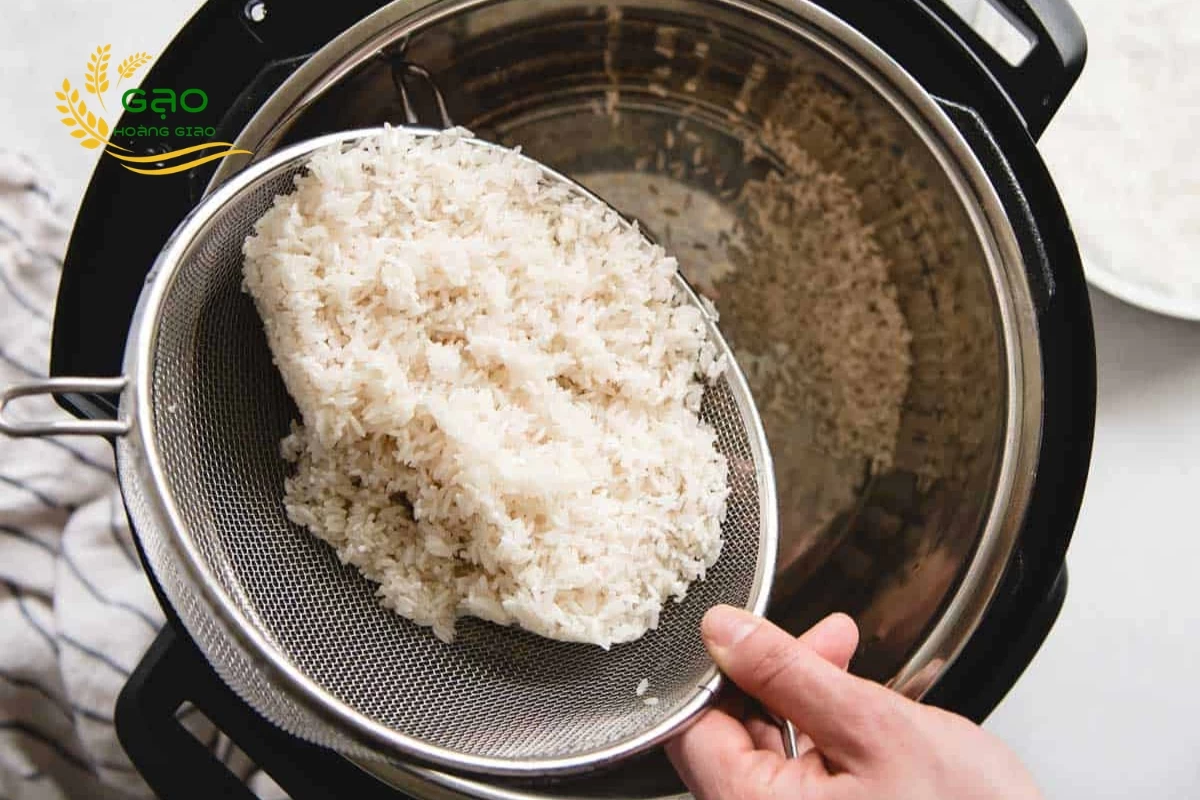
Cooking Jasmine rice in an instant pot is a fast and convenient method. Thanks to pressure cooking, the rice cooks evenly and retains its natural fragrance and soft texture.
Ingredients
- 1 cup Jasmine rice
- 1 cup water
- ¼ teaspoon salt (optional)
Step 1: Rinse the rice
Place the Jasmine rice in a bowl and rinse it under cold water. Gently swirl the grains with your hand and drain the cloudy water. Repeat two or three times until the water runs mostly clear.
Step 2: Add rice and water
Transfer the rinsed rice to the instant pot’s inner pot. Add 1 cup of water for every 1 cup rice. If desired, add a small pinch of salt for extra flavor. Unlike stovetop cooking, pressure cooking requires less water because very little moisture escapes during the cooking process.
Step 3: Pressure cook
Secure the lid and turn the steam release valve to the Sealing position. Select the Pressure Cook (or Manual) setting and cook on High Pressure for 4 minutes. The instant pot will take several minutes to build pressure before the cooking timer begins.
Step 4: Allow natural pressure release
When the cooking cycle is complete, let the pressure release naturally for 10 minutes. This allows the rice to finish steaming gently and helps prevent the grains from becoming wet or mushy. After 10 minutes, carefully turn the steam release valve to Venting to release any remaining pressure.
Step 5: Fluff the rice
Open the lid carefully and use a fork or rice paddle to gently fluff the rice. This separates the grains and releases excess steam, resulting in light, fluffy Jasmine rice with its signature floral aroma.
Common mistakes to avoid when cooking Jasmine rice
Cooking Jasmine rice may seem simple, but a few common mistakes can affect its texture, flavor, and aroma. Here are some common mistakes when cooking Jasmine rice:
- Using the wrong rice-to-water ratio. One of the biggest mistakes is adding too much or too little water. Excess water can make the rice soft and mushy, while insufficient water may leave it dry or undercooked.
- Lifting the lid during cooking. Many people often want to open the lid to check the rice while it is cooking, but doing so allows steam to escape. Since steam plays a crucial role in ensuring the rice cooks evenly, opening the lid too early can result in unevenly cooked or undercooked grains.
- Cooking over high heat. Once the water begins to boil, the heat should be reduced to low. Cooking Jasmine rice over high heat throughout the entire process can cause the bottom layer to burn while the top remains undercooked.
- Skipping the resting time. Many people serve the rice immediately after the cooking cycle ends. However, allowing the rice to rest for 10 – 15 minutes with the lid closed helps the remaining steam finish cooking the grains and evenly distributes moisture. This simple step makes a noticeable difference in the rice’s texture.
Conclusion
Learning how to cook Jasmine rice perfectly doesn’t have to be difficult. Whether you choose the traditional stovetop method, a convenient rice cooker, or a fast instant pot, the secret lies in using the correct water ratio, rinsing the rice properly, and allowing it to rest before serving.
At Hoang Giao Rice Exporter, we are committed to delivering premium Vietnamese Jasmine rice that meets international quality standards. If you need to buy Jasmine rice, please contact us immediately using the information below.