
No products in the cart.
News
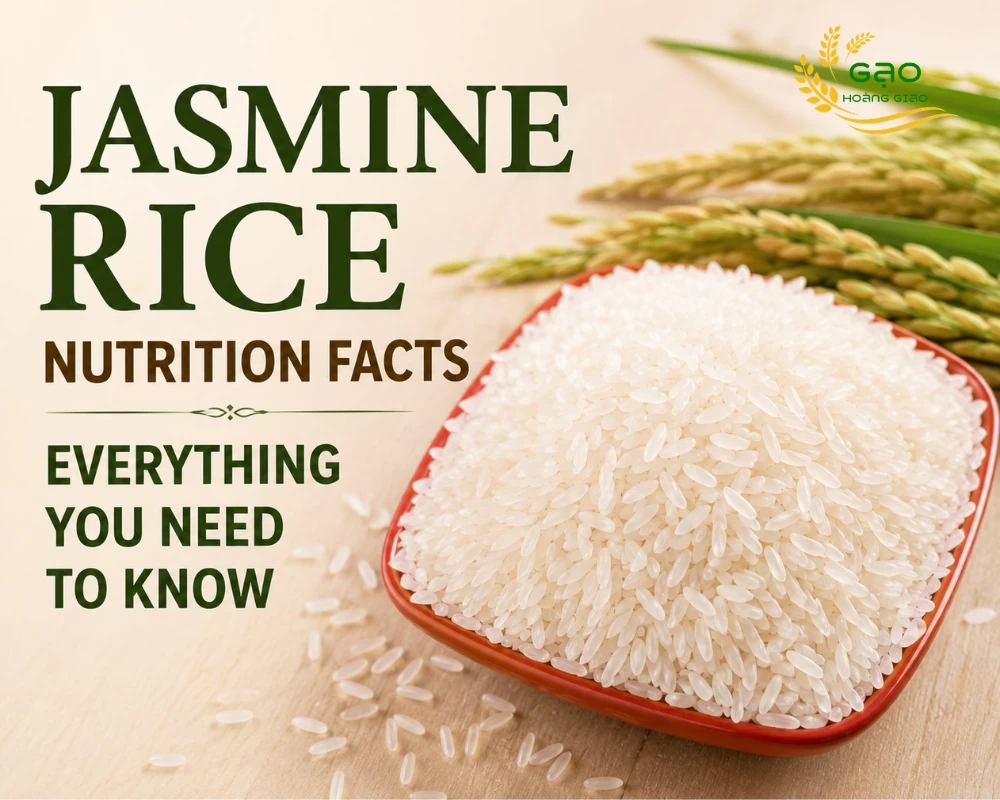
Jasmine Rice Nutrition Facts: Everything You Need To Know
30
Jun
Jun
Table of Contents
Jasmine rice nutrition facts is a common topic among consumers who want to make informed food choices. In this article, Hoang Giao Rice Exporter will share detailed information about the nutritional content and health benefits of Jasmine rice.
What is Jasmine rice?
Origin and History of Jasmine Rice
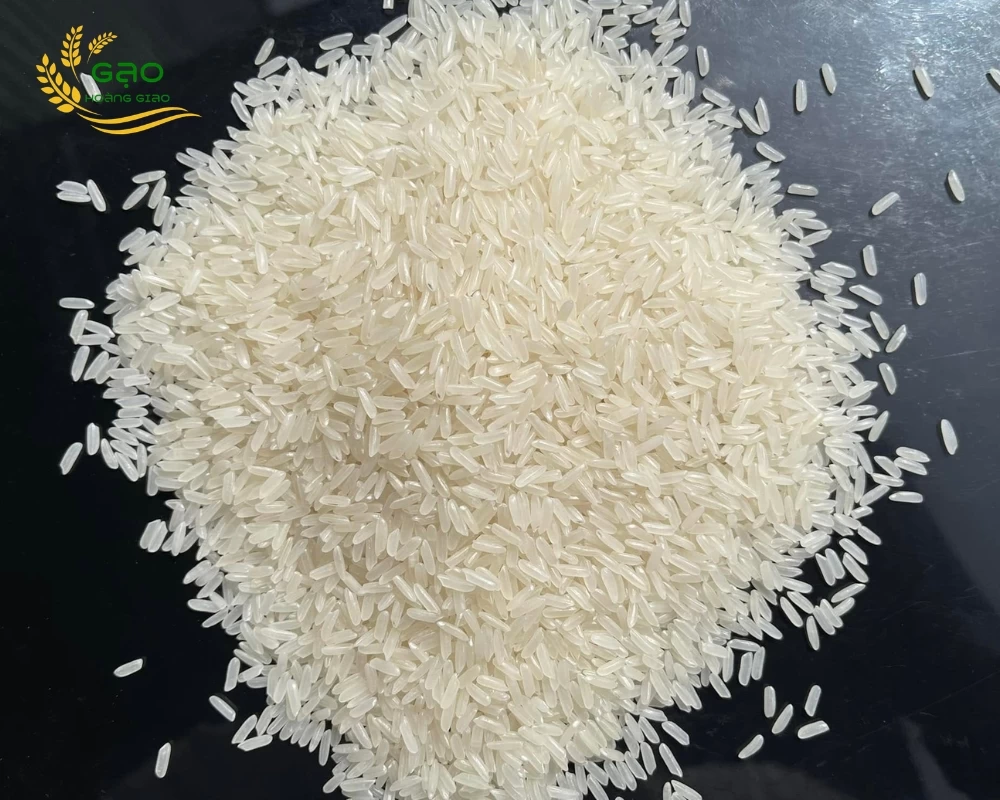
Jasmine rice is a popular long grain rice that originated in Southeast Asia and is widely cultivated in countries such as Thailand, Vietnam, and Cambodia. It belongs to a group of aromatic rice known for its distinctive scent and pleasant eating qualities. Over the years, this fragrant rice has become a staple food in many households around the world.
Characteristics of Jasmine Rice
Jasmine rice is valued for its natural floral aroma, which becomes more noticeable during cooking. Many consumers describe it as a fragrant jasmine rice with a delicate scent and a mild sweet flavor. Unlike regular white rice, jasmine rice develops a soft and slightly sticky texture when cooked.
At the same time, properly prepared grains still maintain a light and fluffy texture. Its unique combination of fragrance and texture helps distinguish it from other rice varieties. Because of these qualities, aromatic Jasmine rice remains a preferred choice for a wide range of traditional and modern dishes.
Jasmine rice nutrition facts
Understanding jasmine rice nutrition facts helps you make informed food choices and plan balanced meals. Jasmine rice is naturally rich in carbohydrates, making it an excellent source of energy. While it is lower in fiber than whole grains, it still provides several essential nutrient compounds that support overall health. The exact nutritional value varies slightly depending on whether the rice is uncooked or cooked.
| Jasmine Rice Nutrition Facts (Per 100g Cooked) | ||
| Nutrient | Amount | % Daily Value* |
| Calories | 129 kcal | 6% |
| Carbohydrates | 27.8 g | 10% |
| Protein | 2.7 g | 5% |
| Total Fat | 0.3 g | <1% |
| Saturated Fat | 0.1 g | <1% |
| Fiber Content | 0.4 g | 1% |
| Sodium | 1 mg | <1% |
| Potassium | 35 mg | 1% |
| Calcium | 10 mg | 1% |
| Iron | 0.2 mg | 1% |
| Magnesium | 12 mg | 3% |
| Phosphorus | 43 mg | 3% |
| Manganese | 0.4 mg | 17% |
| Selenium | 7.5 µg | 14% |
| Vitamin B1 (Thiamine) | 0.02 mg | 2% |
| Niacin | 0.4 mg | 3% |
| Vitamin B6 | 0.05 mg | 3% |
| Folate (Folic Acid) | 3 µg | 1% |
A typical cup of rice (about 158 grams or one serving of cooked jasmine rice) contains approximately 205 calories and 45 grams of carbohydrates. By comparison, ¼ cup of uncooked jasmine rice yields about ¾ cup of cooked rice after preparation.
Although jasmine rice is not as rich in vitamins and minerals as brown rice, it still supplies several important vitamins, including vitamin B1, niacin, B6, and folate. It also provides magnesium, selenium, and is relatively high in manganese, which supports normal metabolism and bone health.
Like many refined grains, jasmine rice has a relatively low fiber content and a moderate to high glycemic index. For this reason, pairing it with lean protein, healthy fats, and vegetables creates a more balanced meal. While jasmine rice does not provide many phytonutrient compounds compared with whole grains, its overall nutritional profiles make it a practical choice for people seeking a versatile source of energy.
>> See more: Latest Vietnamese Jasmine rice price for importers
Health benefits of Jasmine rice
Here are some of the notable health benefits of Jasmine rice:
- Provides a rich source of energy. Jasmine rice is rich in carbohydrates, helping to replenish energy for daily activities. It fits well into a healthy diet when paired with lean protein and vegetables.
- Easy to digest. During the milling process, the bran layer is removed from white rice, giving it a softer texture and lower fiber content. As a result, jasmine rice is generally easier to digest and may be a suitable choice for people with sensitive stomachs or temporary digestive issues.
- Provides essential vitamins and minerals. Jasmine rice contains small amounts of B vitamins, including thiamine (vitamin B1) and niacin (vitamin B3), as well as minerals such as iron and manganese. These nutrients help support energy metabolism and maintain to the normal functioning of the body.
Frequently asked questions about Jasmine rice nutrition facts
How many calories are in one cup of jasmine rice?
Answer: One cup of cooked jasmine rice typically contains around 200 calories, although the exact amount varies by brand and cooking method. It is also a good source of carbohydrates, making it a practical choice for providing energy throughout the day.
Can diabetics eat Jasmine rice?
Answer: People with diabetes can still eat jasmine rice, but it should be consumed in moderation and paired with fiber-rich foods and lean protein to help reduce blood sugar spikes after meals.
Does jasmine rice contain protein?
Answer: Yes, jasmine rice contains protein, but it is not a high-protein food. One cup of cooked jasmine rice typically provides about 4 to 5 grams of protein, along with carbohydrates that supply energy. To create a more balanced meal, pair jasmine rice with protein-rich foods such as chicken, fish, eggs, tofu, beans, or lentils.
Conclusion
Understanding Jasmine rice nutrition facts can help you make smarter food choices and build balanced meals. Jasmine rice is a good source of carbohydrates that provide energy for daily activities. It also contains small amounts of protein, essential vitamins, and minerals that support overall health. Although it has a relatively high glycemic index, you can still enjoy it by controlling portion sizes and pairing it with lean protein, vegetables, and healthy fats.